
Your camper sits idle for most of the year. For many owners, renting it out is a way to earn back part of the cost provided you arrange it properly. Below are the main considerations.
Private rental via a platform
Platforms such as Camptoo and Goboony connect renters and owners and arrange the rental insurance and payment. You set your own availability and price. In high season, daily rates for a compact camper are typically well below those for a large camper, but occupancy is often higher: a compact camper is more approachable for people without camper experience.
Expect to pay a platform commission, and bear in mind that you'll handle cleaning, key handover and instructions yourself. That takes time, and you need to factor that in.
Renting to people you know
Simple and commission-free, but still arrange it properly: a written agreement, a deposit and, above all, insurance that covers rental use. A standard camper insurance policy doesn't. Without that cover, someone is driving around uninsured on your number plate.
What to watch out for
Before you start renting out your camper, make sure you have these in place:
- Insurance that explicitly permits rental.
- Clear agreements about mileage, pets, smoking and travel abroad.
- A photo record at departure and return.
- A short, written instruction for the gas installation, electrics and the toilet.
- Tax clarity: structural rental can affect your tax return. Check this with your accountant.
Why a compact camper lends itself well to rental
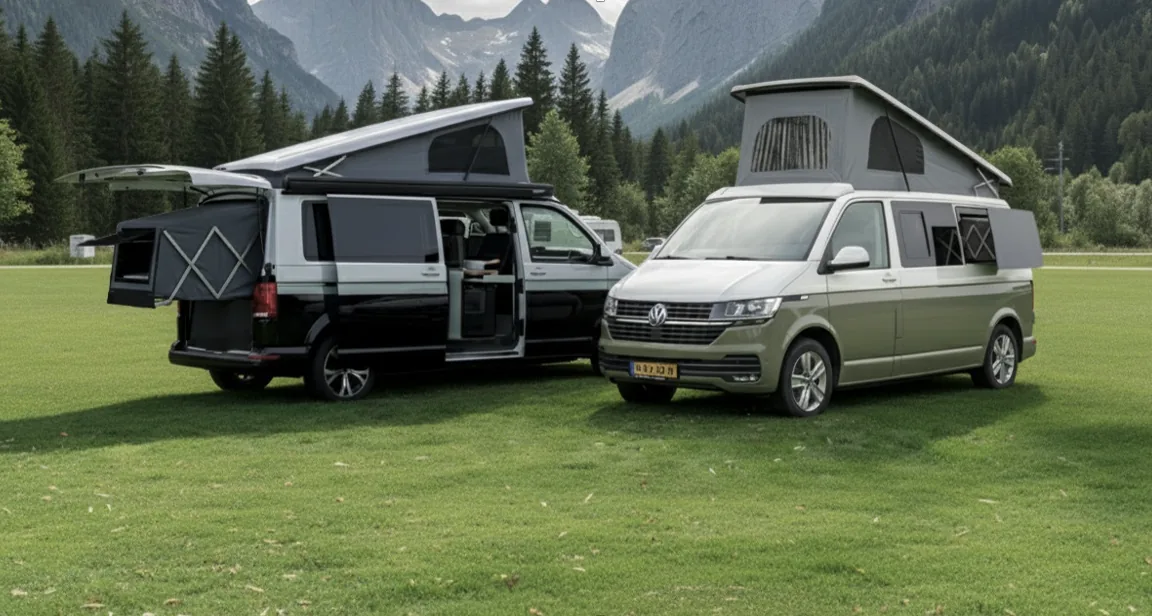
First-time camper renters are often intimidated by a 7-metre vehicle. A Wally-Van drives like a large car and fits under most height barriers that lowers the threshold and reduces the risk of damage.
There's also little to explain: the bed is already made up and the kitchen is instantly usable. Fewer steps means fewer misunderstandings.
Read next
Want to see and feel it yourself?
Open day every month in Vinkeveen both models are ready for you.